
Texting customers under your business name? Unregistered sender IDs now show as ‘Unverified’
Since 1 July, branded texts from sender IDs not on the ACMA register show as ‘Unverified’. Who needs to register, how it works and what it costs.
ACMA rules on telcos, SMS sender IDs and spam, and what they mean for businesses.
Australian Communications and Media Authority rules and enforcement on telcos, SMS sender IDs, spam and marketing messages, and what businesses need to do.
Since 1 July, branded texts from sender IDs not on the ACMA register show as ‘Unverified’. Who needs to register, how it works and what it costs.
An eSIM is a chip that downloads your SIM instead of holding a plastic card. How the download works, how your number moves, and the ID checks that guard it.
Consent, sender details and working unsubscribe links: the Australian spam rules small businesses should check in newsletters, SMS and automated messages.
Showing 1–7 of 7 stories, newest first
From 1 February 2027, telcos must try to fix a mobile that can’t reach Triple Zero before blocking it, and tell you your options. What the ACMA changed.
An eSIM is a chip that downloads your SIM instead of holding a plastic card. How the download works, how your number moves, and the ID checks that guard it.
The ACMA wants businesses to pay an annual fee for each registered SMS sender ID, likely $17 to $25, from 2027–28. Submissions close 4 December.
The ACMA welcomes laws that raise telco penalties, create a provider register and set up the Universal Outdoor Mobile Obligation. What changes, and when.

Consent, sender details and working unsubscribe links: the Australian spam rules small businesses should check in newsletters, SMS and automated messages.
ACMA proposes two fee-free payment methods and mobile coverage remedies for qualifying small businesses. Submissions close on 10 November 2026.
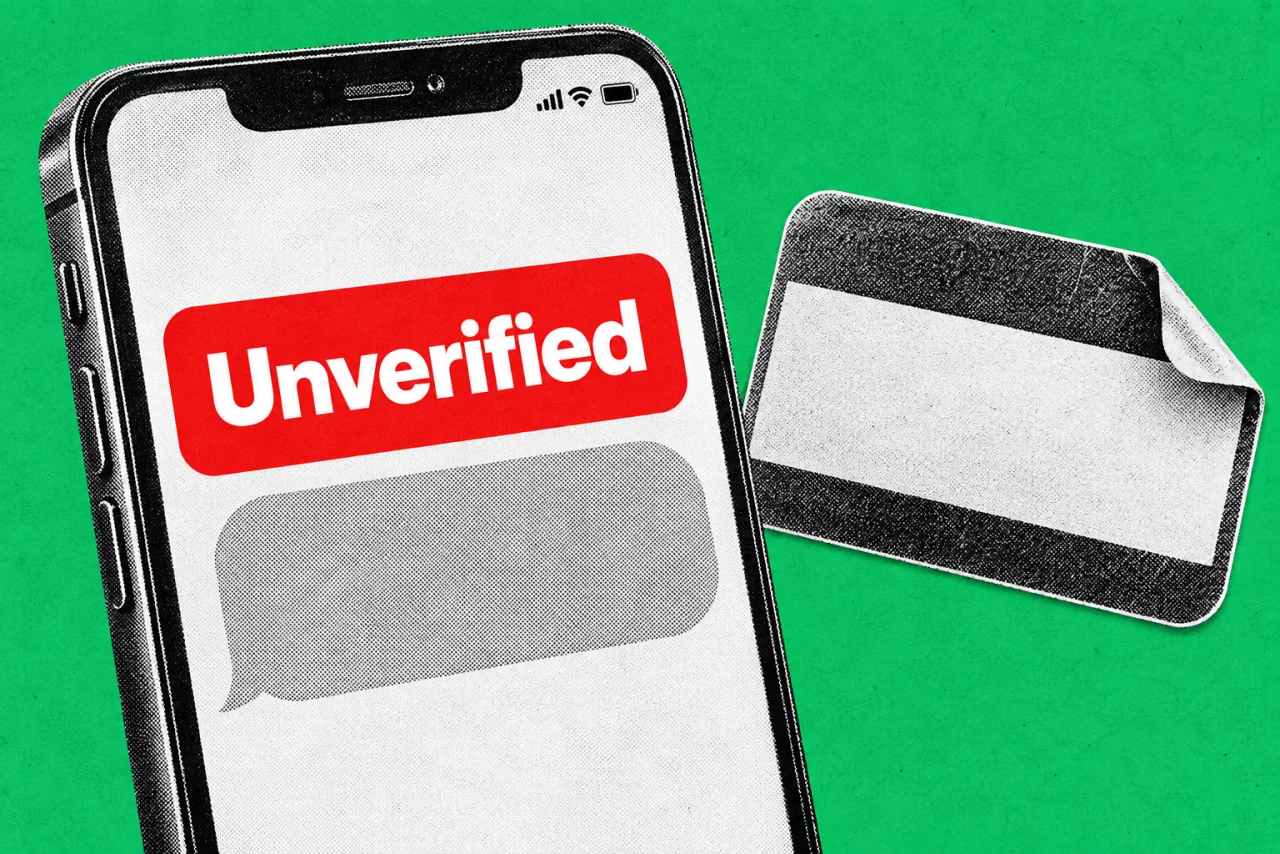
Since 1 July, branded texts from sender IDs not on the ACMA register show as ‘Unverified’. Who needs to register, how it works and what it costs.