
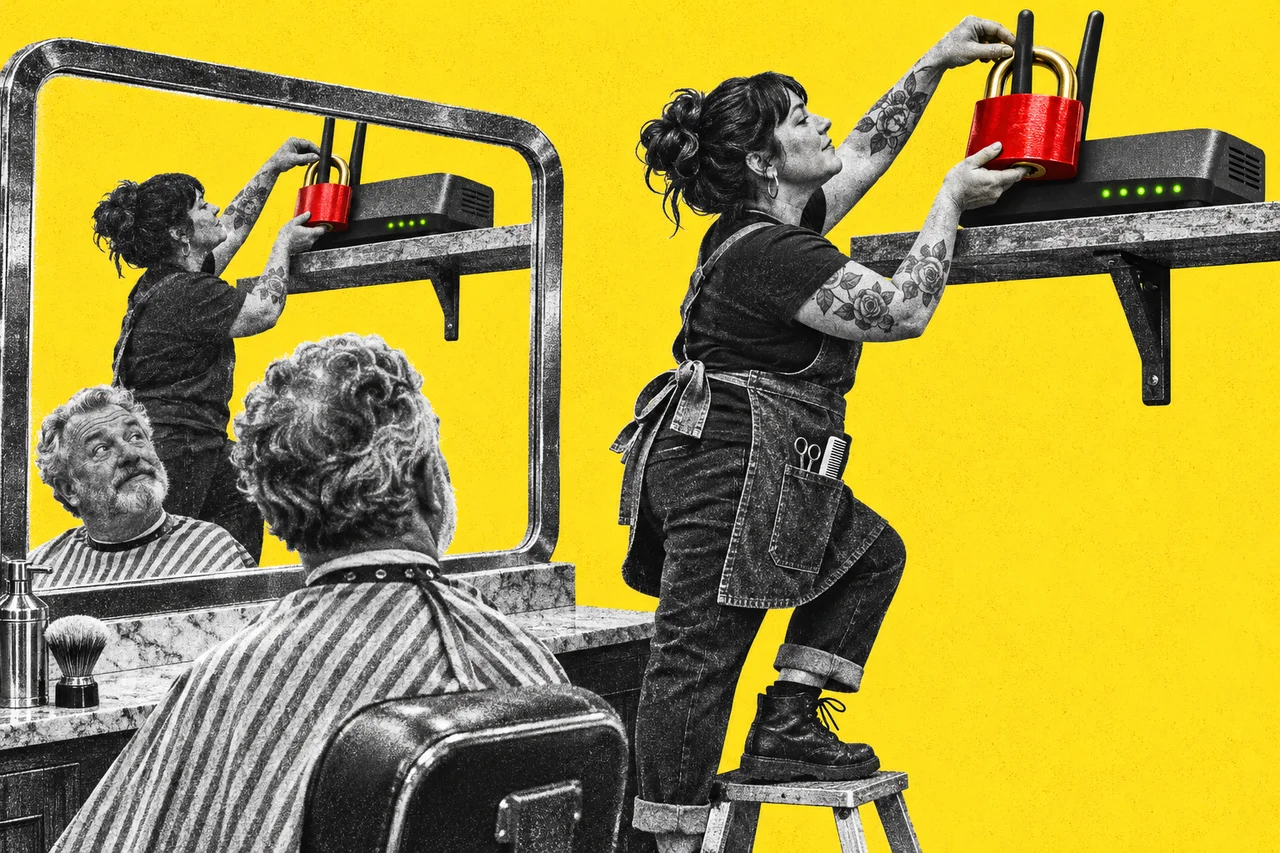
Lock down your Wi-Fi router: seven settings for home or the shop
Your router is the front door to every device on your network. Seven settings Australia’s cyber security agency says to change, and where to find them.
Privacy, cyber security, scams and practical ways to protect your digital life.
Account and device security, data privacy, active threats and official warnings, with clear explanations of who is affected and what to do. Scams are one part of the coverage.
Showing 13–24 of 67 stories, newest first
Your router is the front door to every device on your network. Seven settings Australia’s cyber security agency says to change, and where to find them.
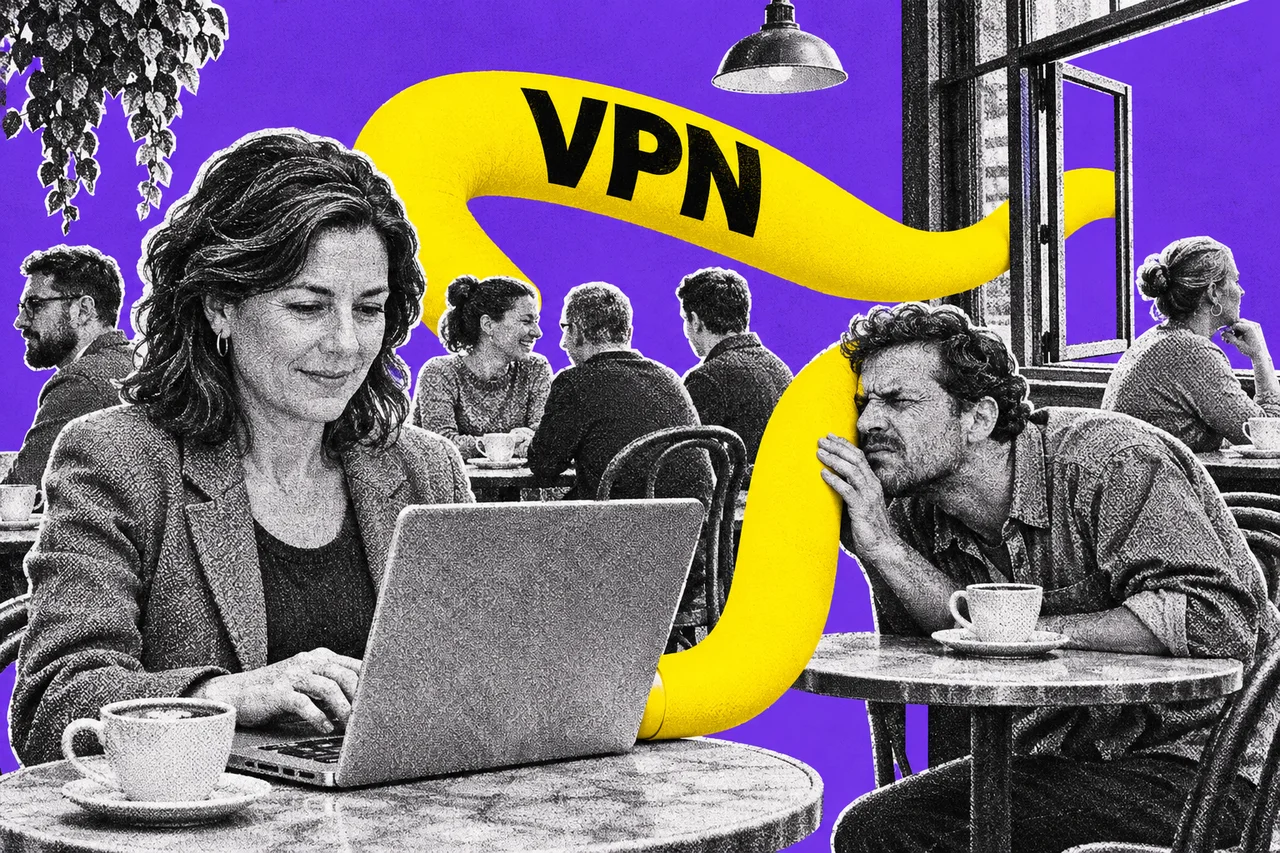
A VPN hides what you do from others on café Wi-Fi. It won’t stop phishing or malware, and you’re trusting the VPN company instead. Here’s what it’s for.
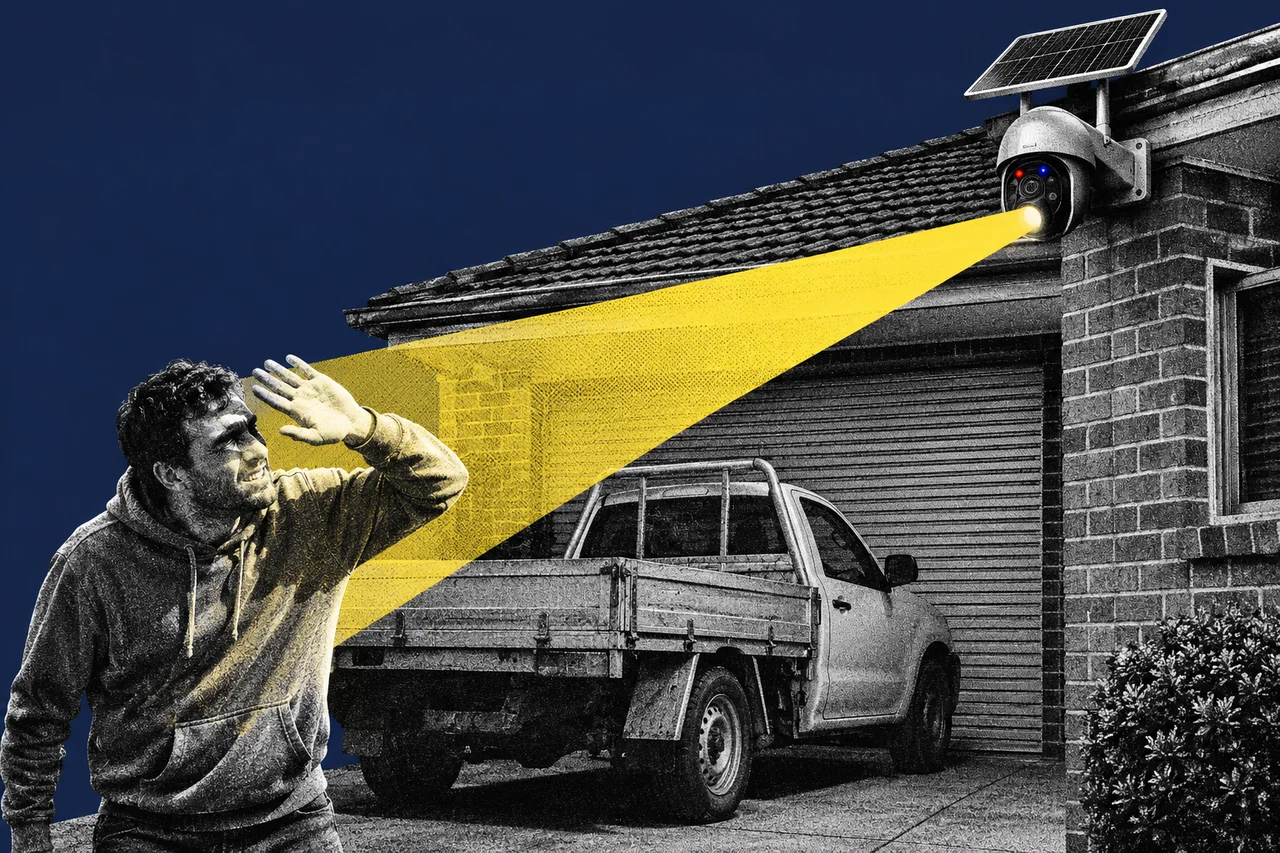
Anker’s eufy brand has launched five new AI security cameras in Australia. The headline S1 follows people with a spotlight, and eufy says it needs no subscription.
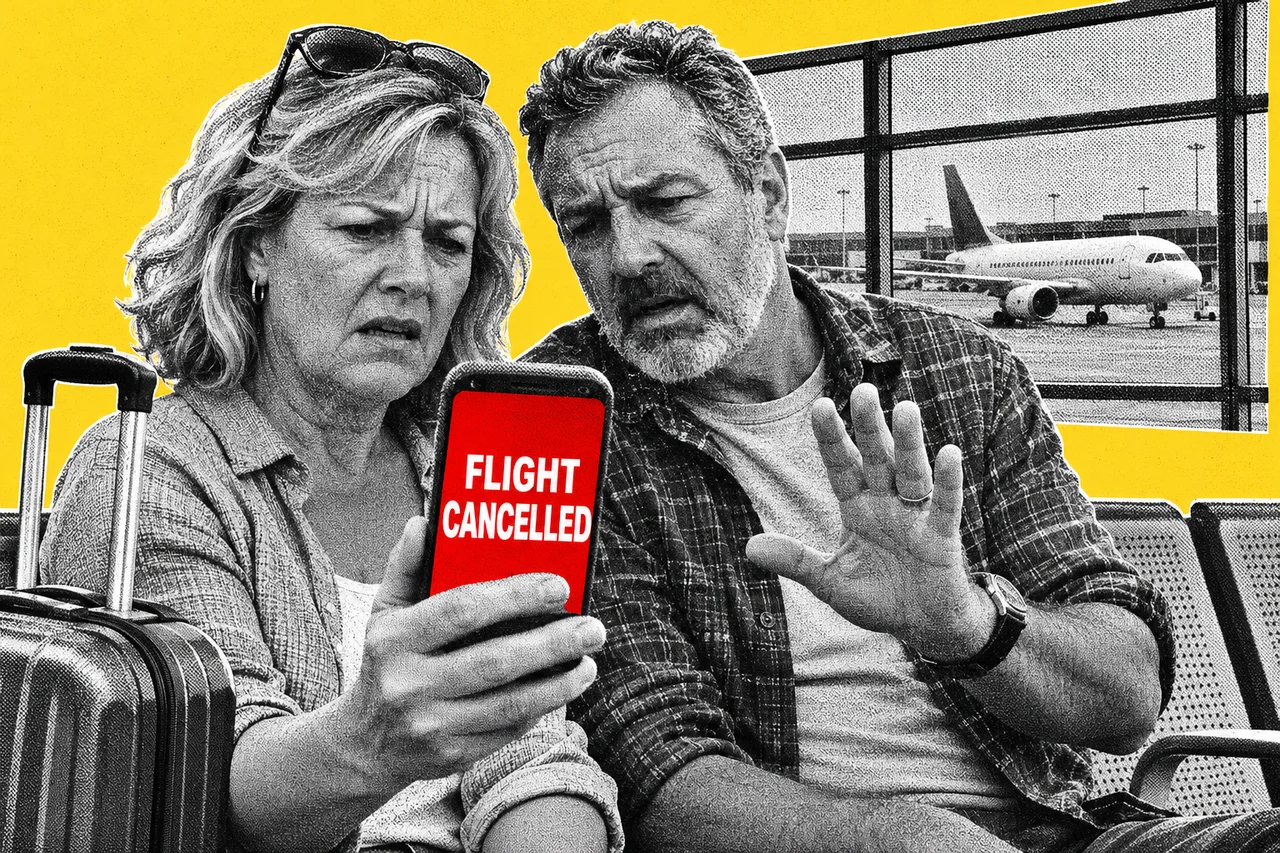
Scamwatch warns scammers are posing as airlines, booking sites and family members overseas this holiday season. Here are the four tricks and how to check.
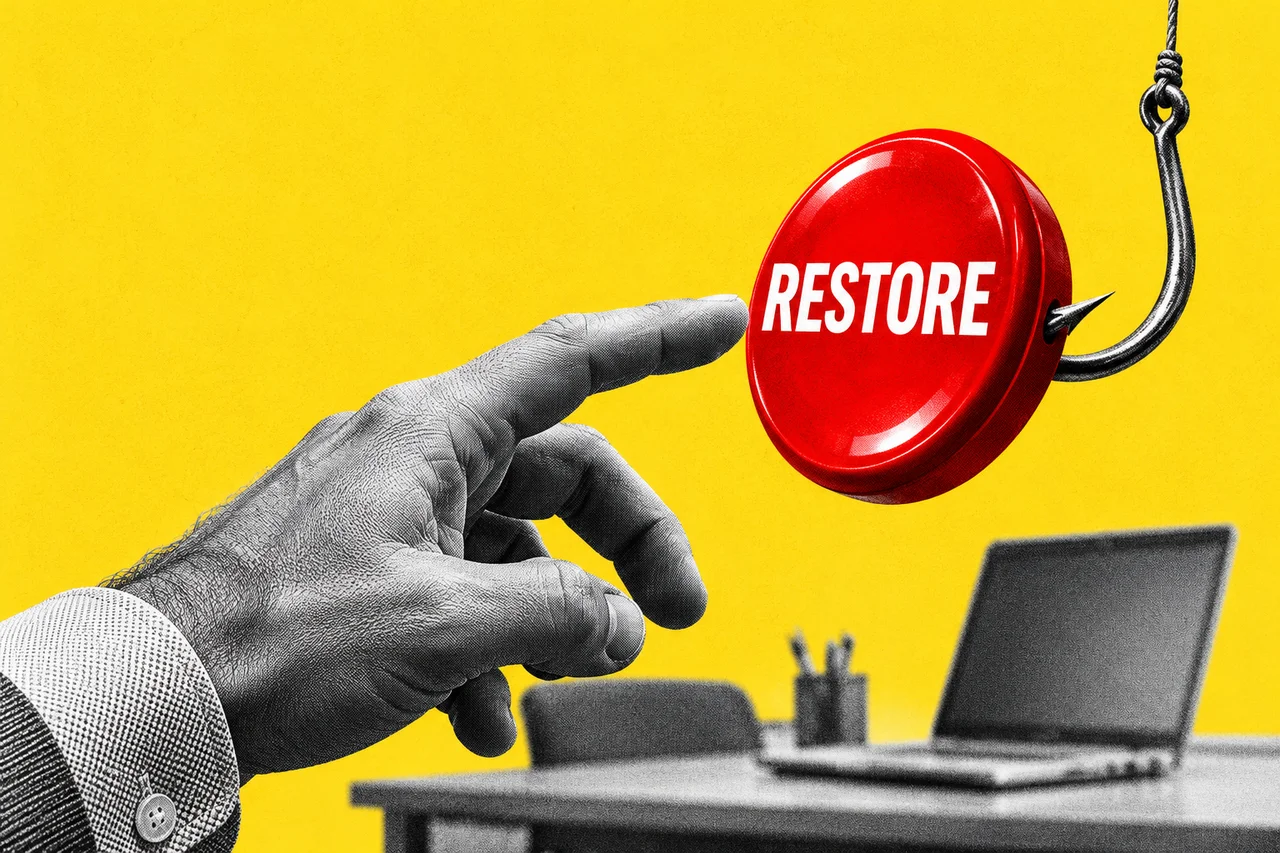
Scammers are using this week’s Microsoft 365 outage as bait, claiming held emails will be deleted in 24 hours unless you click. Here’s what they look like.
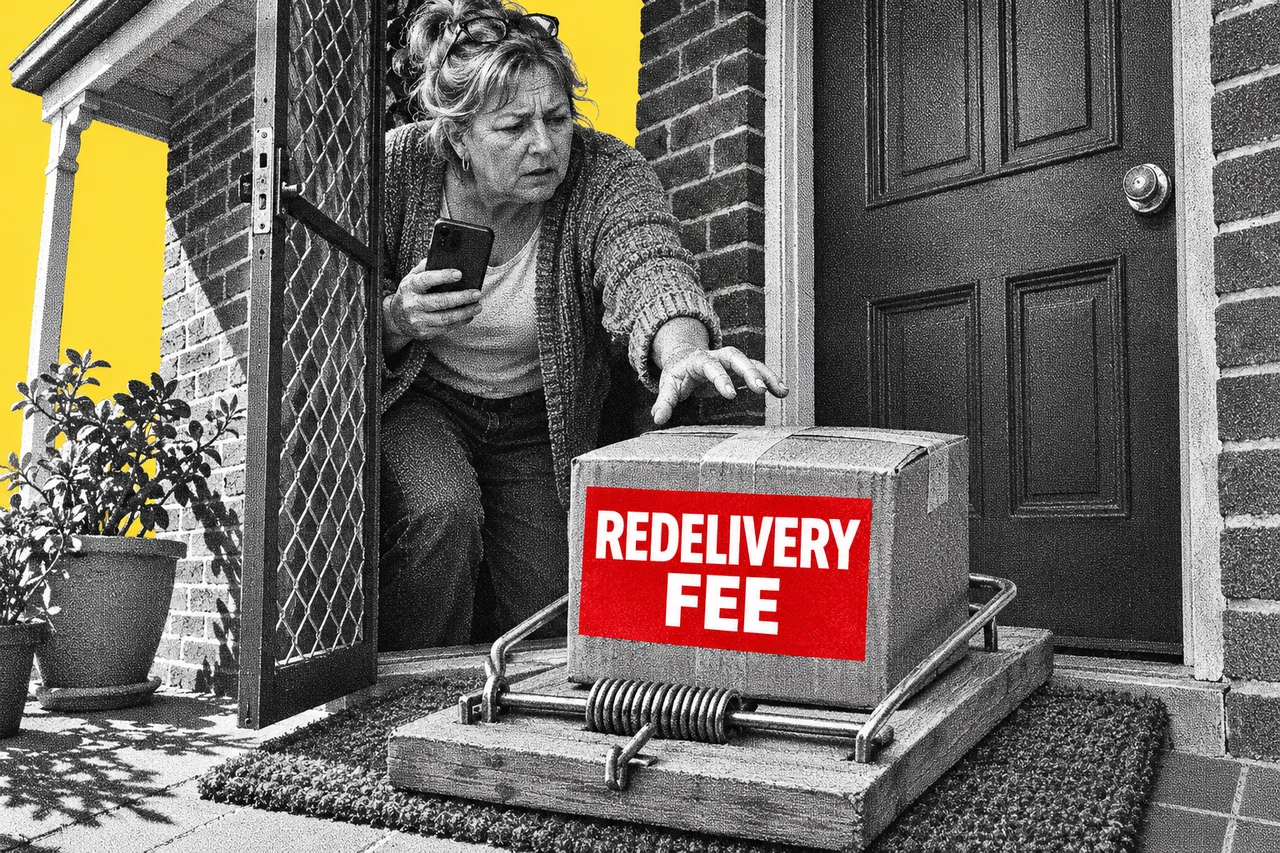
A text says your parcel couldn’t be delivered and asks you to tap a link. Here are the warning signs to look for, and how to check your parcel safely.
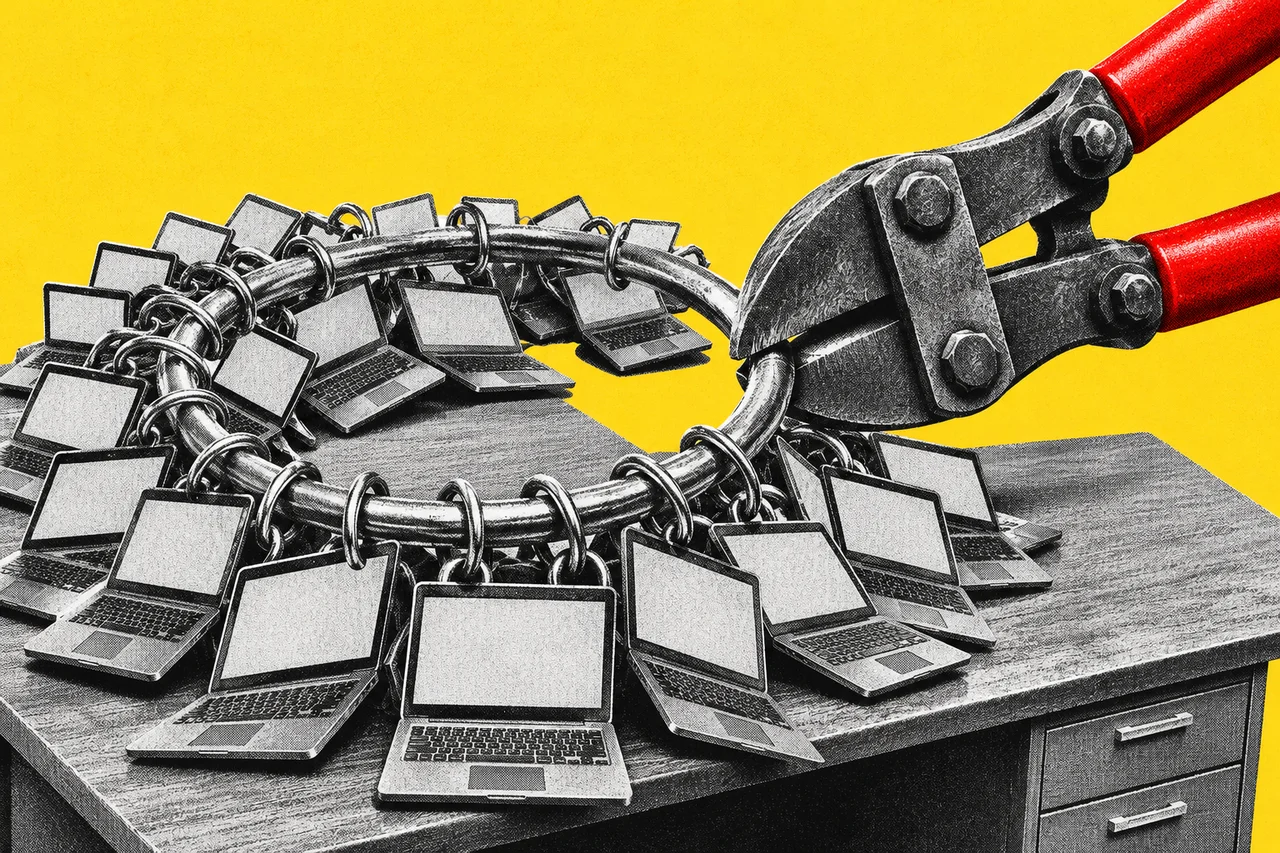
N-able pulled its hosted N-central platform offline after a researcher published 33 flaws. A fix is out, and on-premises servers must be upgraded.
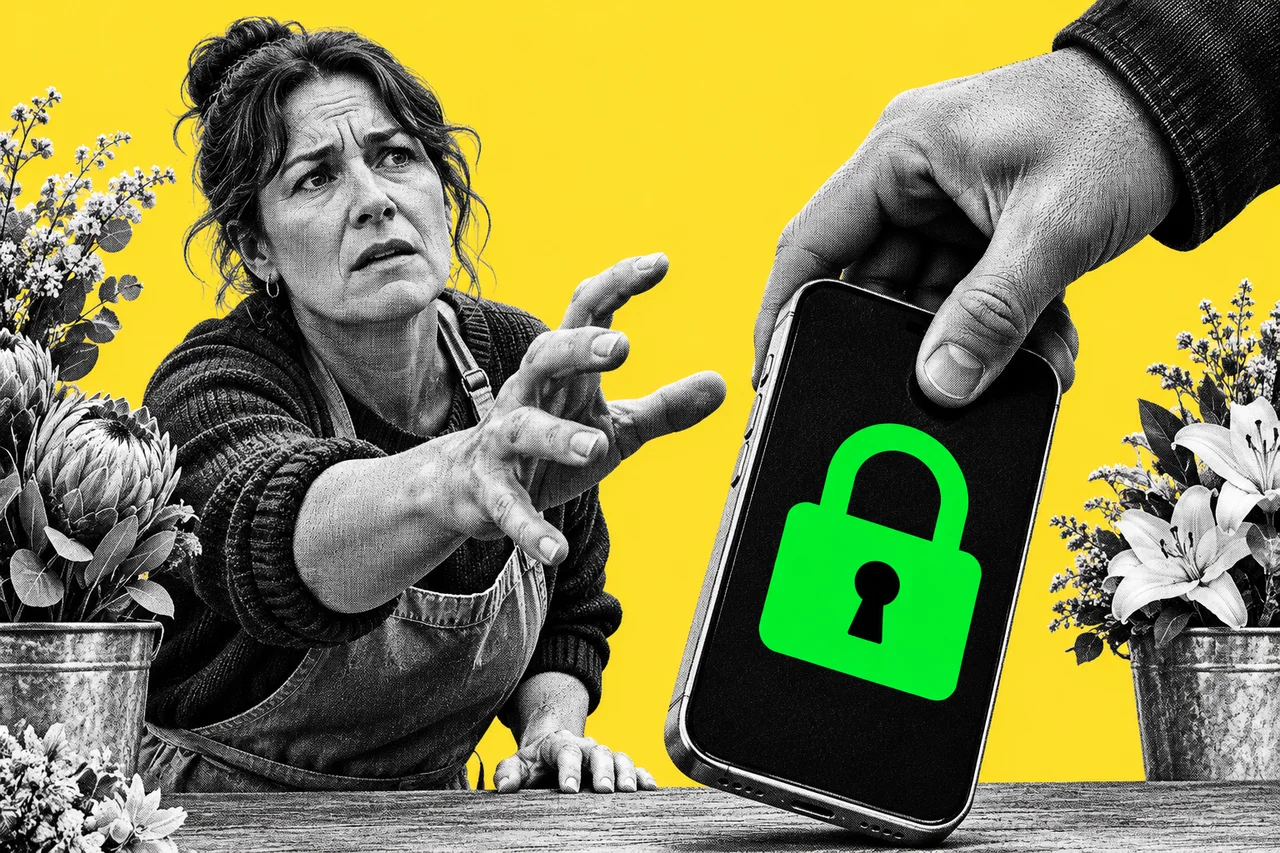
A work phone holds client emails, calls and logins. Eight Android settings that protect it, and lock it down if it’s lost, with Google’s steps.
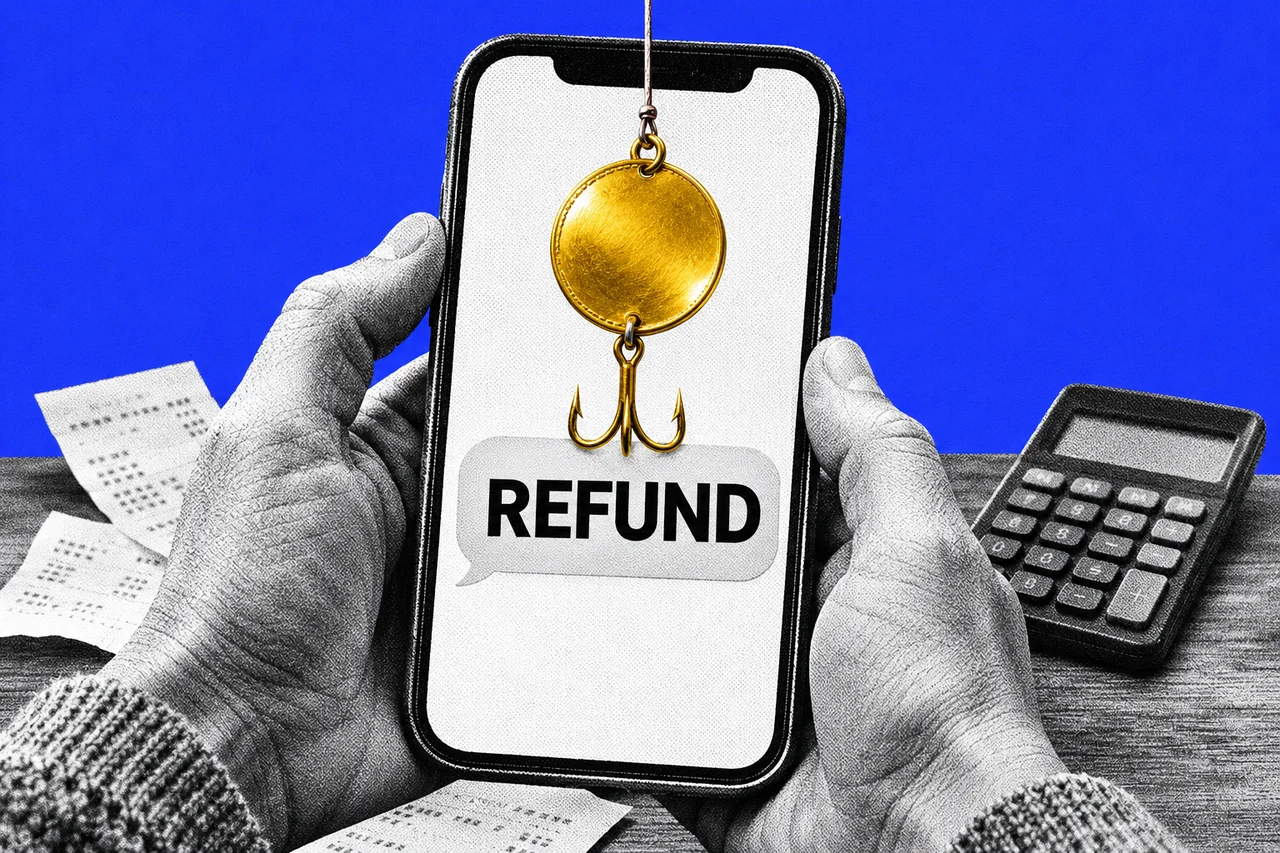
A text says a tax refund is waiting and you just need to tap the link. Here are the warning signs the ATO and myGov list, how to check safely, and what to do if you clicked.

Scams on buyers and sellers, from fake shops to fake ‘item sold’ messages, made up 58.7% of Scamwatch loss reports this year. Here’s what they look like.
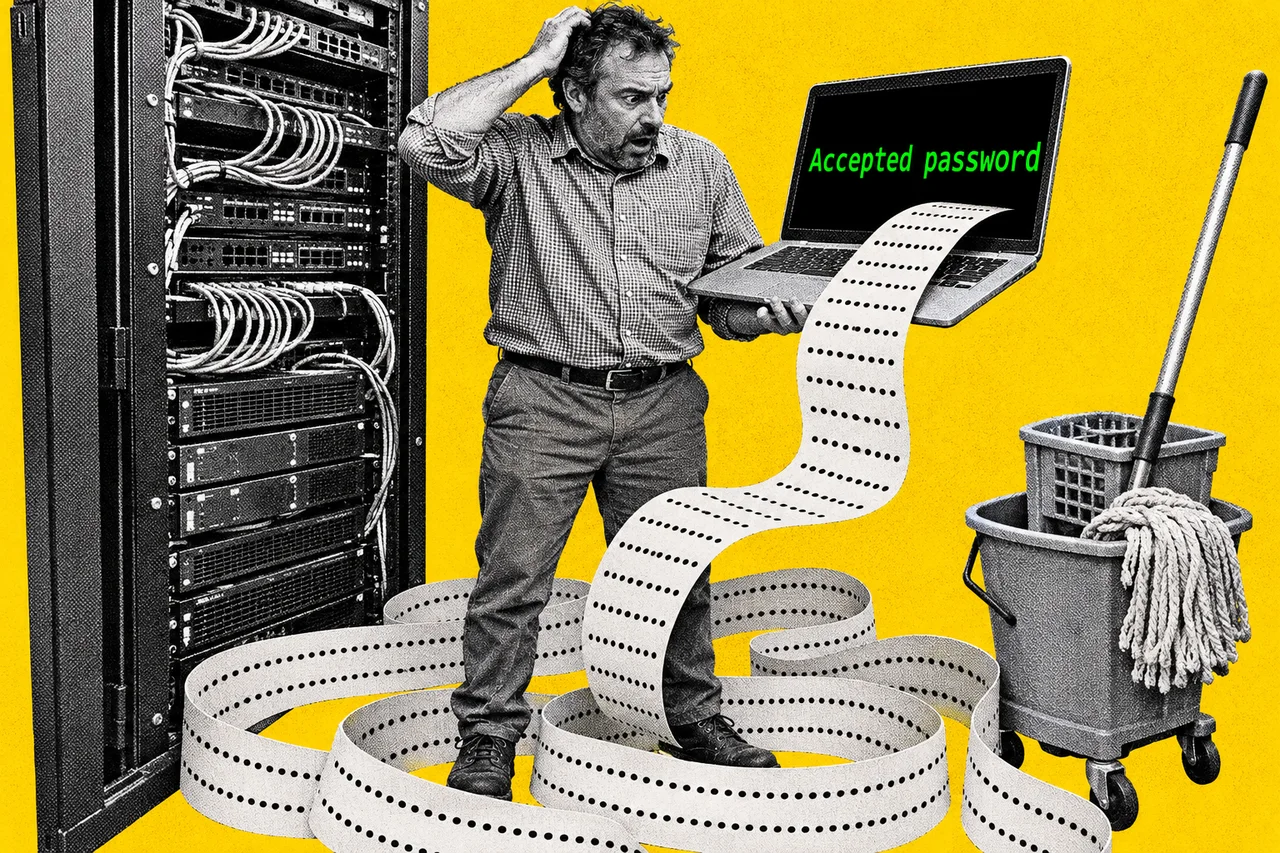
A decade-old bug lets attackers log into some Alpine Linux and other musl-based systems over SSH without a password. Who’s affected, and how to check and fix it.
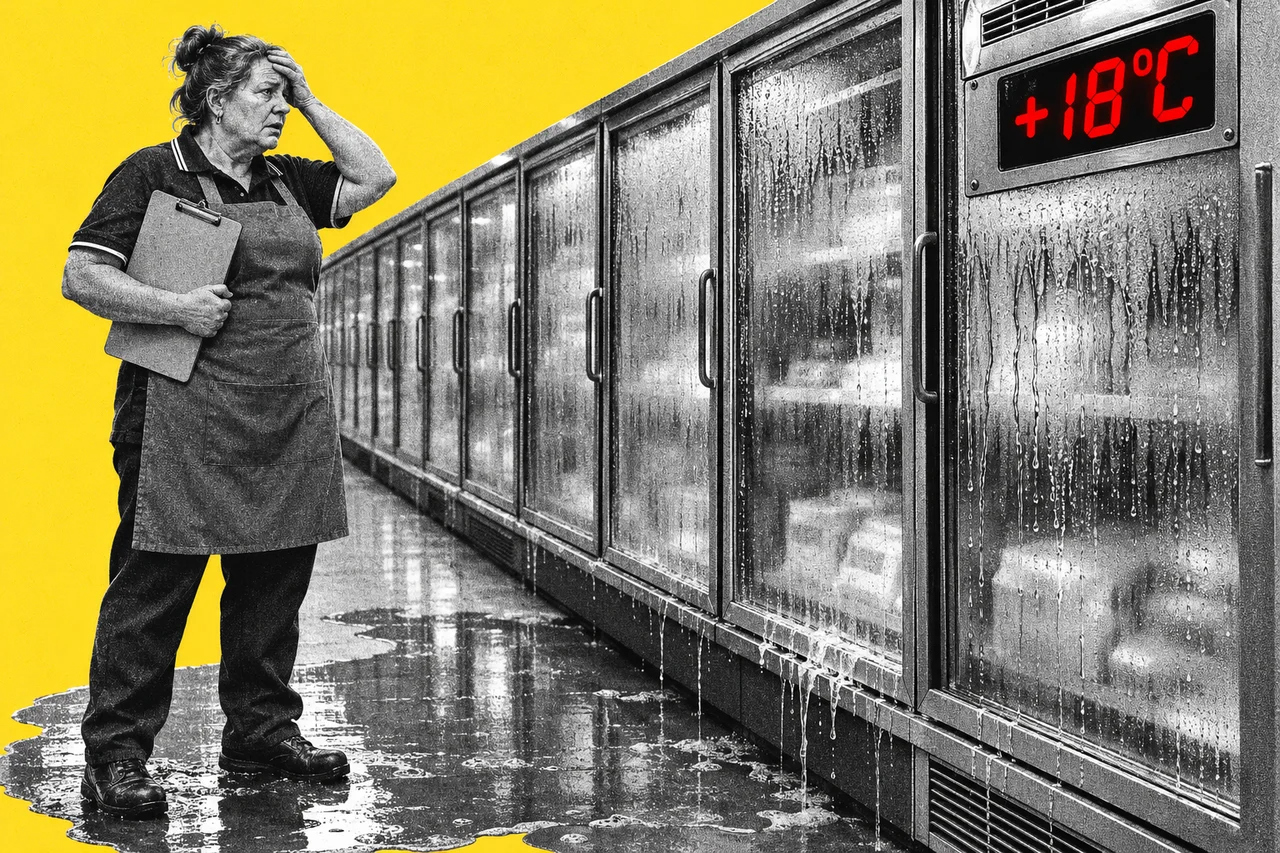
US agencies warn hackers are targeting commercial fridge and freezer controllers and could change temperatures. Australia’s cyber agency says check your exposure.